Introduction
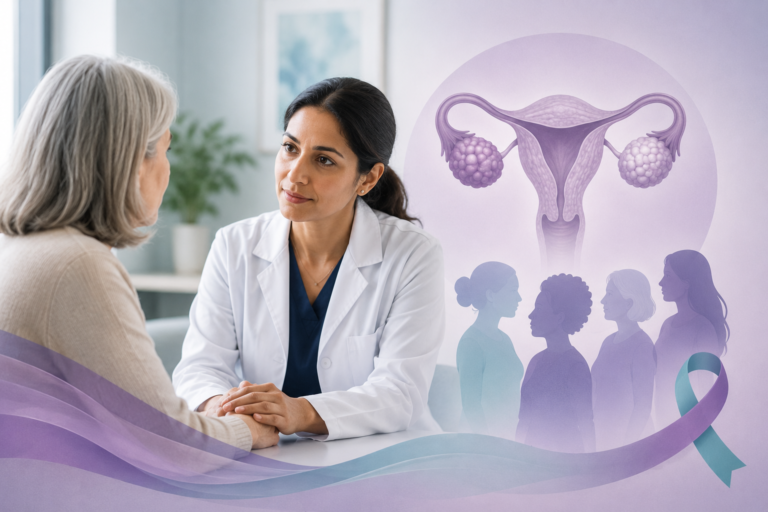
Menopause isn’t the end of youth—it’s the beginning of a new phase of health that deserves understanding, support, and good medical care.
By Dr. Ramya D R, Gynaecological Oncologist
For many women, the word menopause brings feelings of anxiety. Hot flushes, mood swings, weight gain, poor sleep, and concerns about ageing often dominate conversations. Unfortunately, myths surrounding menopause are just as common as the symptoms themselves.
The good news is that menopause is a natural biological transition, not an illness. With the right information and timely medical advice, most women can continue to enjoy healthy, productive, and fulfilling lives.
What exactly is menopause?
Menopause is diagnosed when a woman has not had a menstrual period for 12 consecutive months, provided there is no other medical cause. The average age of natural menopause is around 51 years worldwide, while Indian women tend to experience menopause slightly earlier, around 46–48 years. It occurs because the ovaries gradually stop producing estrogen and progesterone.
The years leading up to menopause are called perimenopause, during which hormone levels fluctuate, causing irregular periods and various symptoms.
Common symptoms—and why they happen
Every woman’s experience is unique. Some have minimal symptoms, while others find them significantly affecting their quality of life.
Common symptoms include:
- Hot flushes and night sweats
- Difficulty sleeping
- Mood changes, anxiety or irritability
- Reduced concentration and “brain fog”
- Joint and muscle pains
- Vaginal dryness
- Pain during intercourse
- Reduced sexual desire
- Frequent urinary infections or urgency
One condition that deserves more attention is Genitourinary Syndrome of Menopause (GSM). Unlike hot flushes, which often improve over time, vaginal dryness and urinary symptoms usually progress if left untreated, but effective treatments are available.
Menopause affects more than periods
The decline in estrogen influences nearly every organ system.
Bone health
Women can lose bone density rapidly during the first few years after menopause, increasing the risk of osteoporosis and fractures. Weight-bearing exercise, adequate calcium, sufficient vitamin D, and timely assessment of bone health are essential. Menopausal hormone therapy (MHT), when appropriate, also helps prevent menopause-related bone loss.
Heart health
Before menopause, estrogen offers some protection against cardiovascular disease. After menopause, the risks of high blood pressure, diabetes, abnormal cholesterol, and heart disease gradually increase. Maintaining a healthy lifestyle becomes even more important.
Emotional wellbeing
Many women report anxiety, low mood, poor sleep, and reduced confidence during the menopausal transition. Hormonal changes, combined with family and work responsibilities during midlife, often contribute. Seeking help is a sign of strength, not weakness.
Is hormone therapy safe?
Perhaps no topic in menopause has generated more confusion.
Current international guidelines emphasize that menopausal hormone therapy (MHT) is the most effective treatment for bothersome hot flushes and night sweats, and it is also highly effective for treating GSM and preventing bone loss in appropriately selected women.
For healthy women younger than 60 years or within 10 years of menopause, the benefits of MHT generally outweigh the risks when treatment is individualized after a proper medical evaluation.
However, hormone therapy is not suitable for everyone. Women with certain medical conditions—such as active breast cancer, unexplained vaginal bleeding, previous blood clots, severe liver disease, or certain cardiovascular conditions—may require alternative treatments. Decisions should always be made together with a qualified healthcare professional.
Lifestyle still matters
While medications help many women, healthy habits remain the cornerstone of menopause care.
Aim for:
- Regular aerobic and strength-training exercises
- Adequate protein intake to maintain muscle mass
- Calcium-rich foods and sufficient vitamin D
- Maintaining a healthy body weight
- Good sleep hygiene
- Avoiding smoking
- Limiting alcohol
- Regular health screening for blood pressure, diabetes, cholesterol, cervical cancer, breast health, and bone health as appropriate.
Five common myths about menopause
Myth 1: Menopause means life is over.
Fact: Many women describe their post-menopausal years as some of the happiest and most productive of their lives.
Myth 2: Every woman needs hormone therapy.
Fact: Treatment depends on symptoms, medical history, and personal preference.
Myth 3: Hormone therapy is dangerous for everyone.
Fact: Modern evidence supports individualized treatment. For many healthy women who start therapy early after menopause, the benefits outweigh the risks.
Myth 4: Weight gain is unavoidable.
Fact: Ageing changes metabolism, but regular exercise, resistance training, and healthy eating can significantly reduce weight gain.
Myth 5: Vaginal dryness is something women must simply tolerate.
Fact: It is a treatable medical condition, and effective non-hormonal and hormonal therapies are available.
When should you consult a doctor?
Please seek medical advice if you have:
- Severe hot flushes affecting daily life
- Persistent sleep problems
- Vaginal bleeding after menopause
- Pain during intercourse
- Recurrent urinary infections
- Concerns regarding hormone therapy
- Premature menopause (before 40 years of age)
- A history of cancer or other significant medical conditions requiring individualized advice
The take-home message
Menopause marks the end of the reproductive years—not the end of health, beauty, or vitality. Today’s evidence-based treatments allow women to manage symptoms safely and effectively while protecting long-term bone, heart, and overall health.
The most important step is simple: don’t suffer in silence. Menopause care should be personalized, evidence-based, and centered around each woman’s goals and quality of life.
Because every woman deserves to thrive—not just survive—through menopause.

Get started today
Your Health, Trusted by Thousands — Consult Dr. Ramya
Call: +91 9380007227