Introduction
If you’ve been told you have PCOS – Polycystic Ovary Syndrome or PMOS -Polyendocrine metabolic ovarian syndrome you’ve probably also heard a dozen conflicting things about it: that it’s “just irregular periods,” that it will “go away after marriage” or pregnancy, that it’s “just weight gain.”
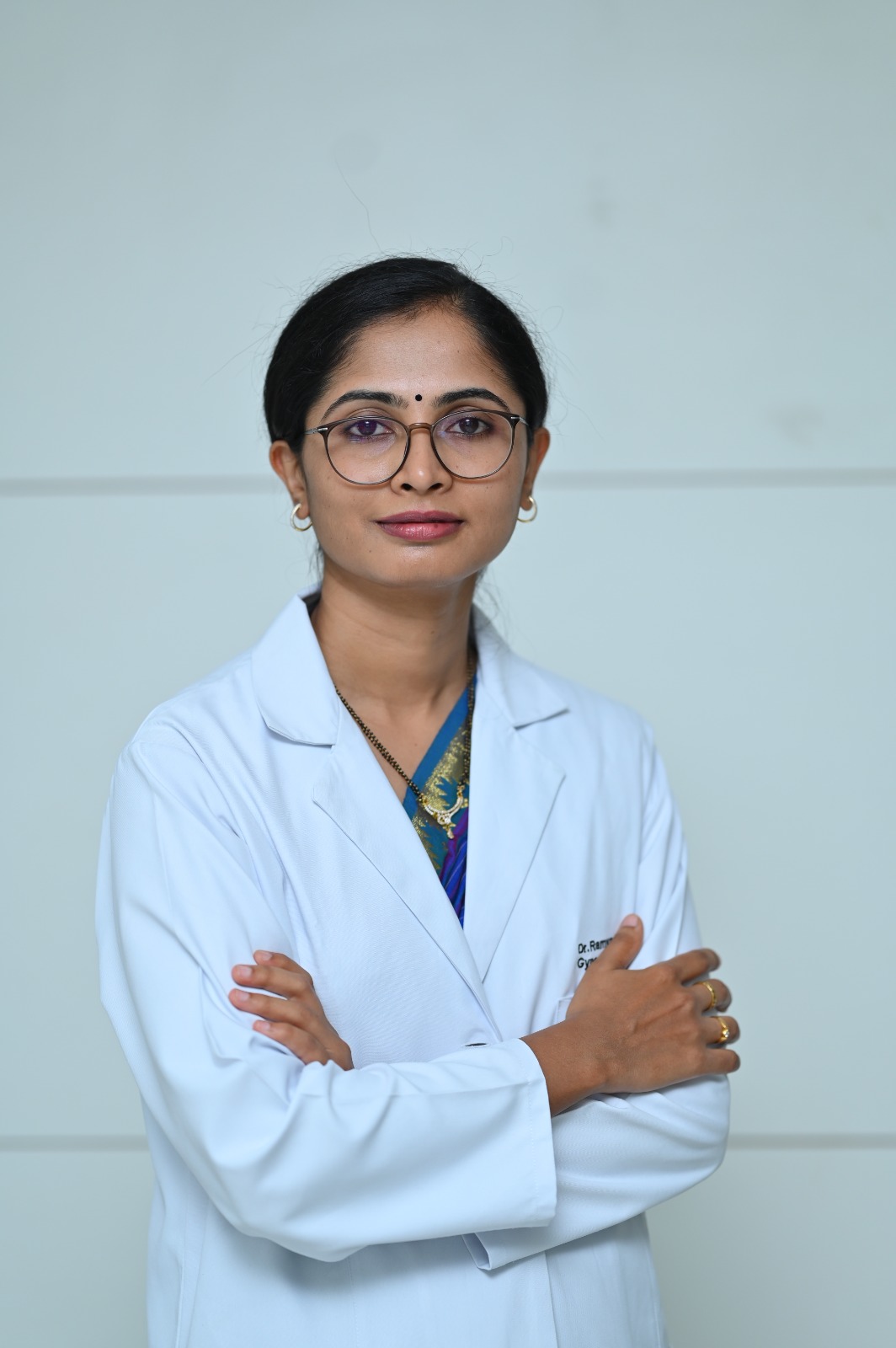
By Dr. Ramya D R, Gynaecological Oncologist
None of that is quite right. PCOS is one of the most common hormonal conditions I see in women of reproductive age, affecting roughly 1 in 10 women in India. It isn’t only a reproductive issue — it’s a whole-body, metabolic condition, driven for most women by insulin resistance: your body needing to produce more insulin than usual to keep blood sugar normal. This single thread connects your periods, your skin, your weight, and your long-term risk of diabetes and heart disease.
The good news: PCOS is one of the conditions where what you do every day matters as much as what medicine you take.
What’s actually happening in PCOS
Diagnosis typically needs at least two of these three:
- Irregular or absent ovulation — showing up as unpredictable periods
- Higher androgen levels — showing up as acne, excess facial/body hair, or scalp thinning
- Polycystic-appearing ovaries on ultrasound — many small, immature follicles, not true “cysts”
Why lifestyle management matters so much
You cannot out-medicate a lifestyle working against you — and you don’t need to fight your body alone once your lifestyle is working with you.
Movement, not punishment. A brisk 30-minute walk most days improves how your body uses insulin. Even a 5–10% reduction in body weight has been shown to restore ovulation in many women with PCOS.
Eating for steady blood sugar. Whole grains, pulses, vegetables, and protein at every meal — rather than refined carbs and sugary snacks — smooth out the insulin spikes that drive PCOS symptoms. You don’t need to eliminate rice or roti, just balance them with protein and fibre.
Sleep is not optional. Poor sleep worsens insulin resistance and appetite hormones. Aim for 7–8 hours on a consistent schedule.
Stress management as medicine. Chronic stress raises cortisol, which interacts with insulin and androgens to worsen symptoms. Yoga, a hobby, time with loved ones — all of it does real hormonal work.
Consistency over intensity. The women who do best aren’t on extreme two-week diets — they make small, sustainable changes and keep them going for months and years. PCOS responds to a marathon approach, not a sprint.
Warning signs — and when to see a doctor
Lifestyle changes are powerful, but they work alongside medical care, not instead of it. See a gynecologist if you notice:
- Periods consistently less than 21 or more than 35 days apart, or absent for 3+ months
- Difficulty conceiving after 6–12 months of trying
- New or worsening acne, excess facial/body hair, or scalp hair thinning
- Very heavy or prolonged bleeding
- Unexplained weight gain, especially around the abdomen
- Skin darkening at the neck, underarms, or skin folds (acanthosis nigricans, a sign of insulin resistance)
- You’re a teenager whose periods haven’t settled into a reasonably regular pattern after a couple of years
- You simply want clarity — you don’t need to be in crisis to ask for answers
One thing I want every woman with PCOS to know, because it connects closely to my own specialty: when ovulation doesn’t happen regularly for a long time, the womb lining doesn’t get its normal monthly “reset.” Over years, this unopposed hormonal exposure can increase the risk of endometrial changes and, in a small number of cases, endometrial cancer. This is exactly why irregular or absent periods should never be dismissed as “not a big deal” — they’re very manageable, but they do need a plan.
PCOS is manageable, especially when it’s picked up early and approached with patience rather than panic. If any of this sounds familiar, come in for a conversation — we’ll look at your full picture and build a plan that fits your life, not a generic checklist.
Get started today
Your Health, Trusted by Thousands — Consult Dr. Ramya
Call: +91 9380007227